Hot Dip Galvanizing Process for Fasteners: Complete Guide (HDG Coating, Thickness & Standards)

Hot-Dip Galvanizing (HDG) is a widely used corrosion protection process where steel fasteners like hex bolts, hex nuts, washers, and studs are coated with molten zinc at ~450°C. This creates a durable, metallurgical bond that protects against rust for decades. The process involves surface cleaning, pickling, fluxing, galvanizing, and inspection. HDG is ideal for heavy-duty applications such as construction, automotive, and infrastructure projects. Compared to electroplating, HDG offers thicker coatings (40–200 microns) and superior longevity. At New Star Industries, we ensure precision galvanizing for high tensile fasteners to meet global standards and long-term performance requirements.
What is Hot-Dip Galvanizing?
Hot-Dip Galvanizing is a zinc coating process in which fabricated steel components are immersed in molten zinc to form a protective layer. This layer prevents corrosion by:
- Acting as a barrier coating
- Providing cathodic protection
- Increasing lifespan by 20–50+ years
This process is especially important for industrial fasteners like Hex Head Bolts, Hex Nuts, Structural Bolts, Washers, and Studs, which are exposed to harsh environments.
This process is especially important for industrial fasteners like Hex Head Bolts, Hex Nuts, Structural Bolts, Washers, and Studs, which are exposed to harsh environments.
Why Hot-Dip Galvanizing is Important for Fasteners
Fasteners are critical load-bearing components. Without proper coating:
- Rust reduces strength
- Threads get damaged
- Structural integrity is compromised
Hot-dip galvanizing ensures:
- ✔ Uniform coating even in threads
- ✔ High abrasion resistance
- ✔ Long service life in outdoor conditions
- ✔ Reduced maintenance cost
At New Star Industries, HDG is widely applied to:
- Hex Head Bolts / Screws
- Heavy Hex Structural Bolts
- Hex Nuts & Heavy Hex Nuts
- Studs (B7, Double End Threaded)
- Washers (Structural, Plain, DTI)
Step-by-Step Hot-Dip Galvanizing Process
1. Surface Preparation (Degreasing)
- Removes oil, grease, dirt
- Uses alkaline or acidic cleaning solutions
- Temperature: 50–90°C
2. Pickling (Acid Cleaning)
- Removes mill scale and rust
- Uses Hydrochloric Acid (HCl) or Sulfuric Acid (H₂SO₄)
- Typical concentration: 10–15%
- Time: 5–30 minutes
3. Rinsing
- Removes acid residues
- Prevents contamination of flux solution
4. Fluxing
- Uses Zinc Ammonium Chloride (ZnNH₄Cl)
- Prevents oxidation before galvanizing
- Improves zinc adhesion
5. Drying
- Removes moisture before dipping
- Temperature: ~100–120°C
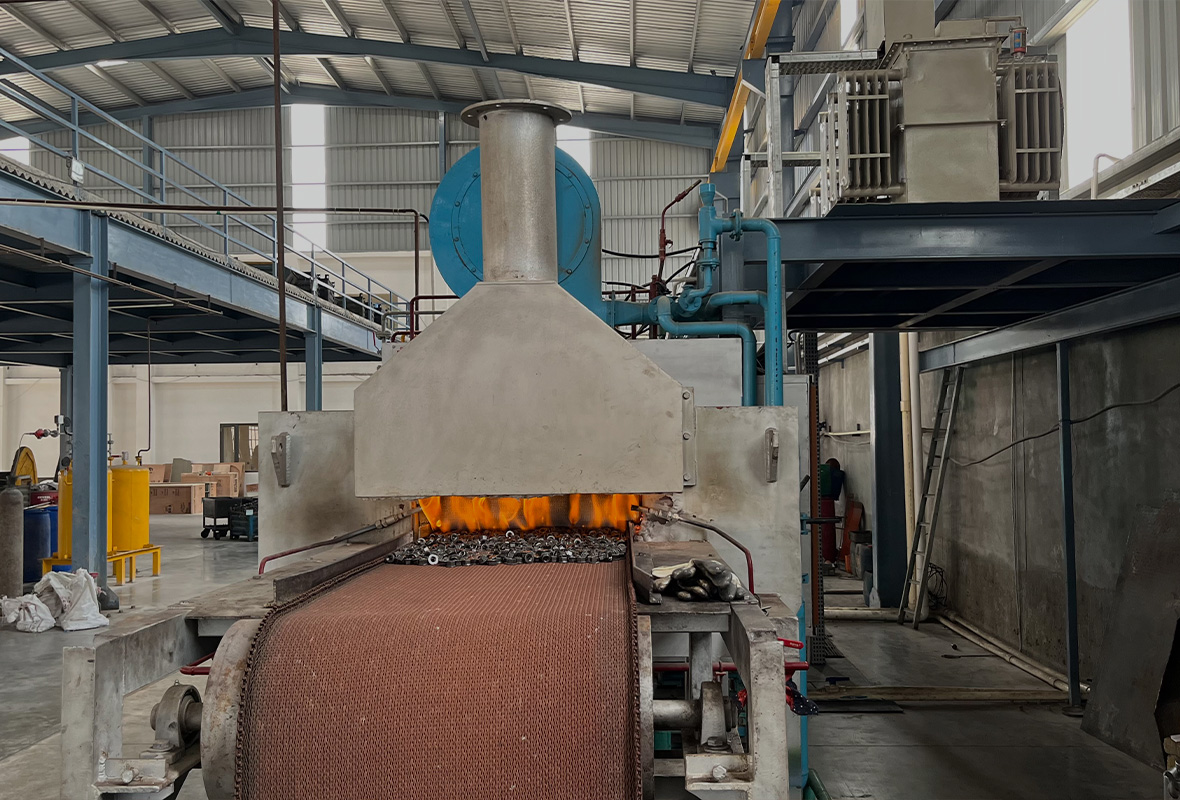
6. Hot-Dip Galvanizing (Main Process)
- Immersion in molten zinc bath
- Temperature: 445°C – 455°C
- Reaction forms zinc-iron alloy layers
Coating Layers Formed:
- Gamma Layer (Fe3Zn10)
- Delta Layer (FeZn7)
- Zeta Layer (FeZn13)
- Eta Layer (Pure Zinc Outer Layer)
7. Cooling / Quenching
- Air cooling or water quenching
- Sometimes chromate passivation applied
8. Inspection & Testing
- Coating thickness measurement
- Adhesion testing
- Visual inspection

Coating Thickness & Dimensions
Coating Thickness & Dimensions
Typical Coating Thickness (As per IS / ASTM Standards)
| Steel Thickness |
Coating Thickness |
| < 6 mm |
45–65 microns |
| 6–12 mm |
70–100 microns |
| > 12 mm |
85–200 microns |
Thread Considerations for Fasteners
Hot-dip galvanizing affects thread dimensions:
- Zinc coating adds thickness
- Internal threads (like Hex Nuts) are tapped oversize
- External threads (like Hex Bolts) may be undercut
Standard Adjustments:
- Nut oversizing: +0.3 mm to +0.5 mm
- Thread tolerance: As per ISO 965 / IS 1367
Standards for Hot-Dip Galvanizing
- ASTM A153 / A153M – Fasteners
- ASTM A123 – Structural steel
- ISO 1461 – General galvanizing
- IS 2629 / IS 4759 – Indian standards
New Star Industries follows strict quality compliance aligned with:
- ISO/TS 16949:2016
- ISO 9001:2015
Advantages of Hot-Dip Galvanizing
- Long-Term Protection
20–50 years lifespan depending on environment
- Complete Coverage
Covers threads, edges, cavities
- Strong Bond
Metallurgical bonding, not just surface coating
- Cost Effective
Low maintenance over lifecycle
- Eco-Friendly
Zinc is recyclable
Limitations of Hot-Dip Galvanizing
- Not suitable for very tight tolerance parts
- Thread fitting requires adjustments
- Surface finish is rougher than electroplating
HDG vs Electroplating (Quick Comparison)
| Feature |
Hot-Dip Galvanizing |
Electroplating |
| Coating Thickness |
40–200 microns |
5–25 microns |
| Durability |
Very High |
Moderate |
| Cost |
Higher initially |
Lower |
| Lifespan |
20–50 years |
5–10 years |
Applications of Hot-Dip Galvanized Fasteners
Hot-dip galvanized fasteners are used in:
- Infrastructure (bridges, highways)
- Power transmission towers
- Automotive sector
- Construction & steel structures
- Railways & heavy engineering
New Star Industries: Expertise in Galvanized Fasteners
With 60+ years of manufacturing experience, New Star Industries specializes in:
- ✔ High tensile fasteners
- ✔ Automotive & industrial components
- ✔ Advanced galvanizing support
- ✔ Precision-engineered Hex Bolts, Hex Nuts, Studs, Washers
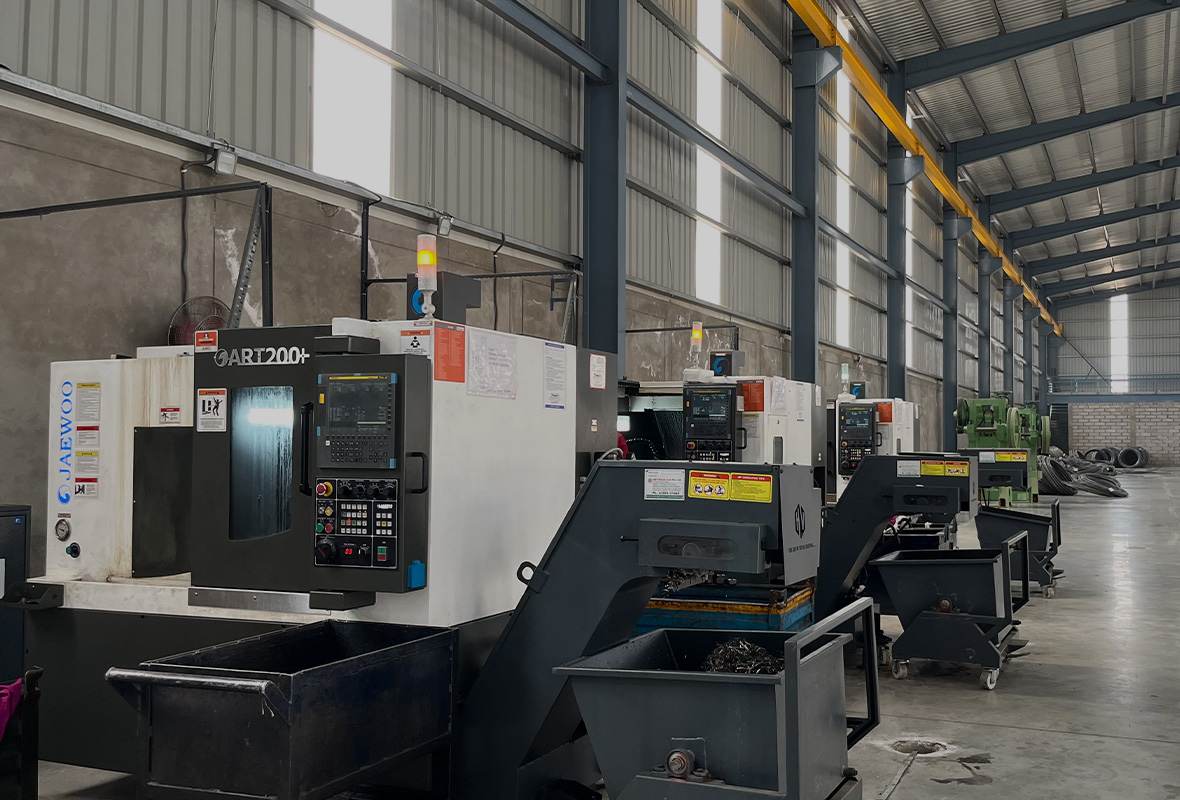
The company operates a state-of-the-art facility with CNC machines, forging presses, heat treatment furnaces, and quality testing labs
Internal Linking Opportunities (SEO Boost)
To strengthen SEO and product visibility, link this blog to:
- Hex Head Bolts / Screws (HDG coating importance)
- Hex Nuts & Heavy Hex Nuts (thread adjustment after galvanizing)
- Structural Bolts (EN 14399)
- Washers (DTI, Structural, Plain)
- Studs (B7 Studs, Double End Studs)
Hot-Dip Galvanizing is not just a coating—it’s a long-term investment in durability and performance. For industries relying on strength, safety, and longevity, HDG-coated fasteners like hex bolts and hex nuts are essential.
At New Star Industries, we combine precision manufacturing with advanced surface protection techniques to deliver products that perform reliably in the toughest environments.
Vikram Bhamra – CEO, New Star Industries
Vikram Bhamra is the CEO of New Star Industries, a third-generation manufacturing company specializing in high-performance fasteners for automotive, infrastructure, and heavy engineering applications. After graduating in Business Management from Canada in 2010, he returned to India in 2011 to lead and modernize the family enterprise. With 14+ years of hands-on experience, he has driven advancements in cold forging, zinc flake coating, and precision heat treatment. In 2024, he founded New Star AutoComp, expanding cold forged fasteners into automotive OEMs, railway bridges, PEB, and heavy engineering sectors with globally compliant fastening solutions.