High-Strength Friction Grip (HSFG) bolts have revolutionized modern steel construction by replacing traditional rivets and bearing-type bolts in critical infrastructure. Unlike standard fasteners that rely on the bolt shank’s shear strength, HSFG bolts utilize a sophisticated "friction grip" mechanism. By applying a precise high-tension preload, these bolts clamp steel plates so tightly that the resulting friction alone transfers the load. This prevents any slippage between joints, making them the gold standard for structures facing heavy vibrations, seismic activity, or dynamic loads. From iconic bridges to high-rise skyscrapers, HSFG bolts ensure unparalleled structural integrity and long-term fatigue resistance.

In the world of structural engineering, the integrity of a connection is just as important as the strength of the steel beams themselves. While traditional "black bolts" or rivets were once the industry norm, High-Strength Friction Grip (HSFG) Bolts have emerged as the superior choice for high-stakes projects.
As a leading manufacturer, New Star Industries specializes in precision-engineered HSFG bolts that meet rigorous international standards. This guide explores why these "Heavy Hex" fasteners are indispensable for modern steel structures.
An HSFG bolt is a high-tensile structural fastener designed to be tightened to a specific initial tension (preload). This tension creates a powerful clamping force between the connected steel members.
The key differentiator: In a standard bolt, the load is carried by the bolt shank (bearing). In an HSFG connection, the load is carried by the friction between the contact surfaces of the steel plates.
The magic of an HSFG connection lies in the slip-critical design. Here is the step-by-step physics behind it:
Key Benefit: Because the plates never slide, the bolt shank does not experience shear or bearing stress, making the joint far more resistant to fatigue and vibration.
| Feature | HSFG Bolts (Friction Type) | Standard Bolts (Bearing Type) |
|---|---|---|
| Load Transfer | Friction between plates | Shear/Bearing on bolt shank |
| Joint Slip | Zero slip (Slip-Critical) | Minor slip allowed |
| Durability | High fatigue resistance | Lower fatigue resistance |
| Reusability | Non-reusable (once fully torqued) | Often reusable |
New Star Industries manufactures a variety of configurations to meet specific site requirements:
Because HSFG bolts provide rigid, no-slip connections, they are the first choice for:
During installation, HSFG bolts are tightened into their plastic deformation zone to ensure maximum grip. Once removed, the threads have stretched permanently. Never reuse a fully tensioned HSFG bolt—it will not provide the same clamping force a second time.
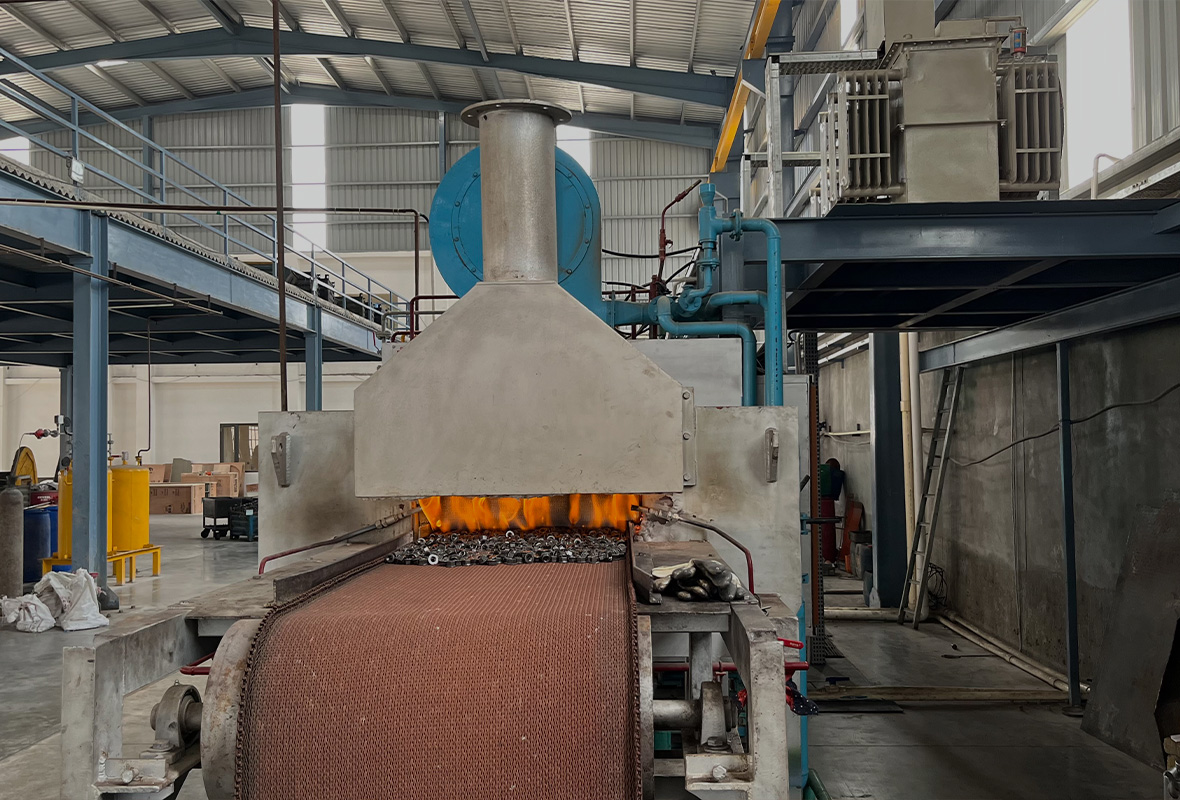
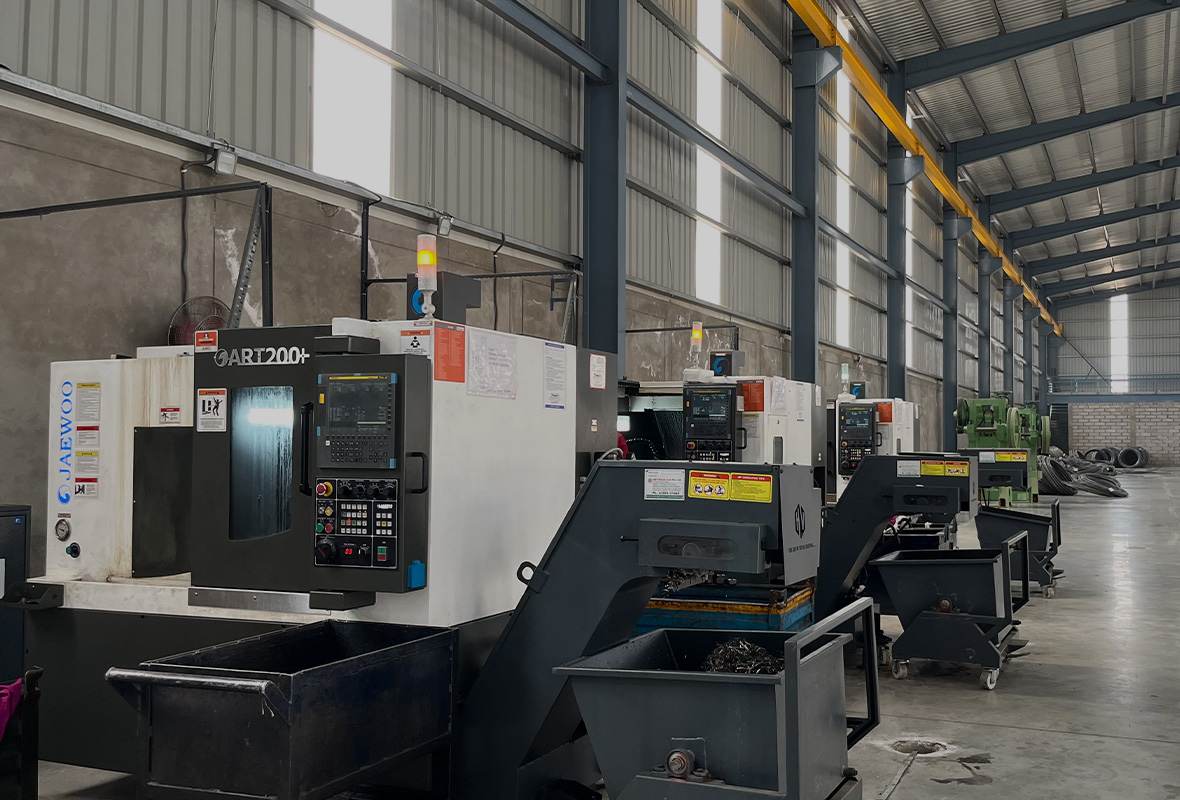
At New Star Industries, our HSFG bolts undergo rigorous testing, including UTM testing, Spectro analysis, and Magna Flux testing. We comply with:
Choosing the right HSFG bolt is a choice for safety and longevity. Whether you are building a railway bridge or a commercial complex, the precision-engineered fasteners from New Star Industries ensure your structure stands the test of time.
Vikram Bhamra – CEO, New Star Industries
Vikram Bhamra is the CEO of New Star Industries, a third-generation manufacturing company specializing in high-performance fasteners for automotive, infrastructure, and heavy engineering applications. After graduating in Business Management from Canada in 2010, he returned to India in 2011 to lead and modernize the family enterprise. With 14+ years of hands-on experience, he has driven advancements in cold forging, zinc flake coating, and precision heat treatment. In 2024, he founded New Star AutoComp, expanding cold forged fasteners into automotive OEMs, railway bridges, PEB, and heavy engineering sectors with globally compliant fastening solutions.